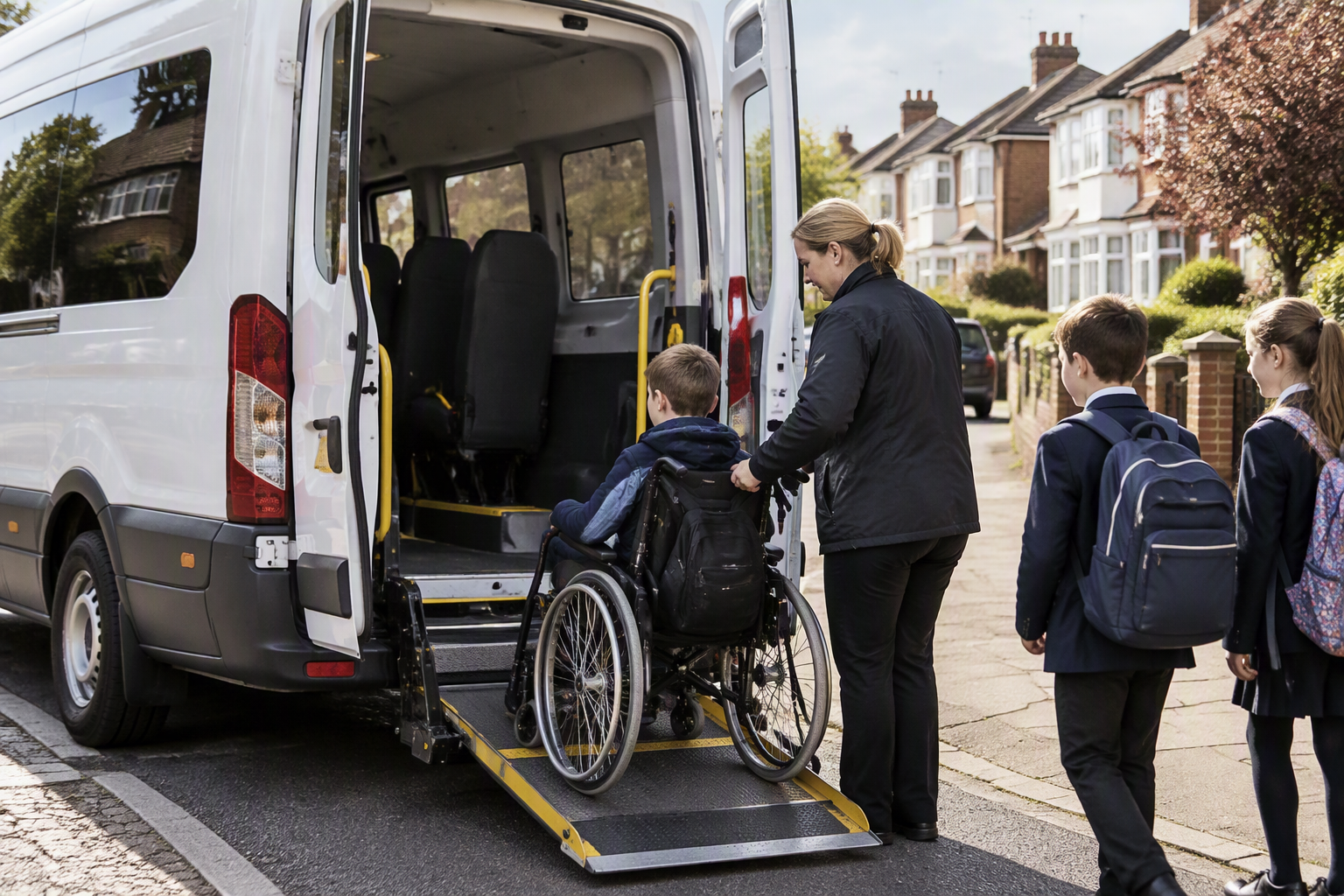
As part of the CulturalRoad project, Oxfordshire County Council recently engaged SEND school teachers and parents to explore how future mobility services, such as shared autonomous vehicles, could better support children and young people with Special Educational Needs and Disabilities (SEND).
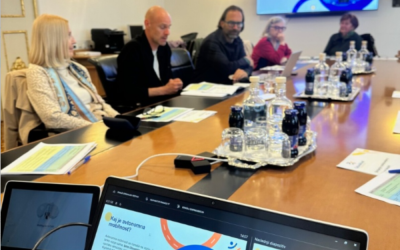
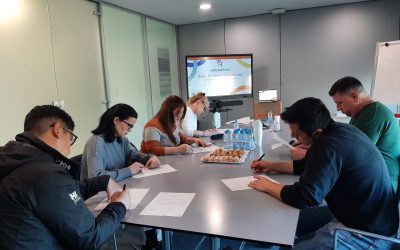
Building on earlier stakeholder workshops, the focus groups examined the day-to-day transport experiences of SEND children through insights from parents and teachers, and explored how future mobility services could better respond to their needs.
Starting with everyday journeys
Participants highlighted a range of transport challenges, including congestion, unreliable services and the need for predictable journeys. Many stressed that mobility is about more than simply getting from one place to another. Reliability, routine and confidence are often just as important, particularly for children with SEND.
Focus group discussions also reinforced that no two children experience travel in the same way. Individual needs, levels of independence and support requirements vary significantly, meaning future transport services must be flexible and user-centred.
Trust and safety first
When the conversation turned to autonomous and self-driving vehicles, participants were generally open to exploring future possibilities. However, trust and safety emerged as the key priorities. Parents and teachers wanted reassurance that future services would be reliable, provide clear information about how they work and the support available, and offer appropriate assistance when needed.
Suggestions included clear communication, real-time journey information, emergency support options and approaches that help both children and parents feel confident during a journey. Participants also highlighted the importance of introducing new technologies gradually, allowing trust to develop over time.
Inclusion by design
A recurring theme throughout the discussions was the importance of designing mobility services around the diverse needs of SEND users from the outset. Participants highlighted factors such as sensory sensitivities, communication needs, personal space and familiar routines, emphasising that inclusive design should be a core principle rather than an afterthought.
The insights gathered from Oxfordshire’s SEND community will help inform the next stages of CulturalRoad and provide useful learning for relevant strategy and policy development in Oxfordshire, contributing to wider discussions on how future mobility can be made more accessible, inclusive and responsive to the needs of the people it serves.
Image has been generated by AI.