Earlier this year, we asked people in the Ljubljana Urban Region what they thought about autonomous mobility.
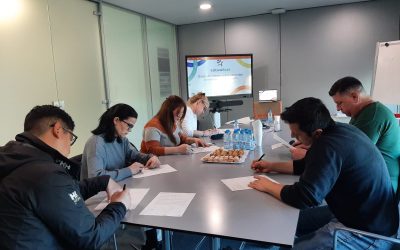
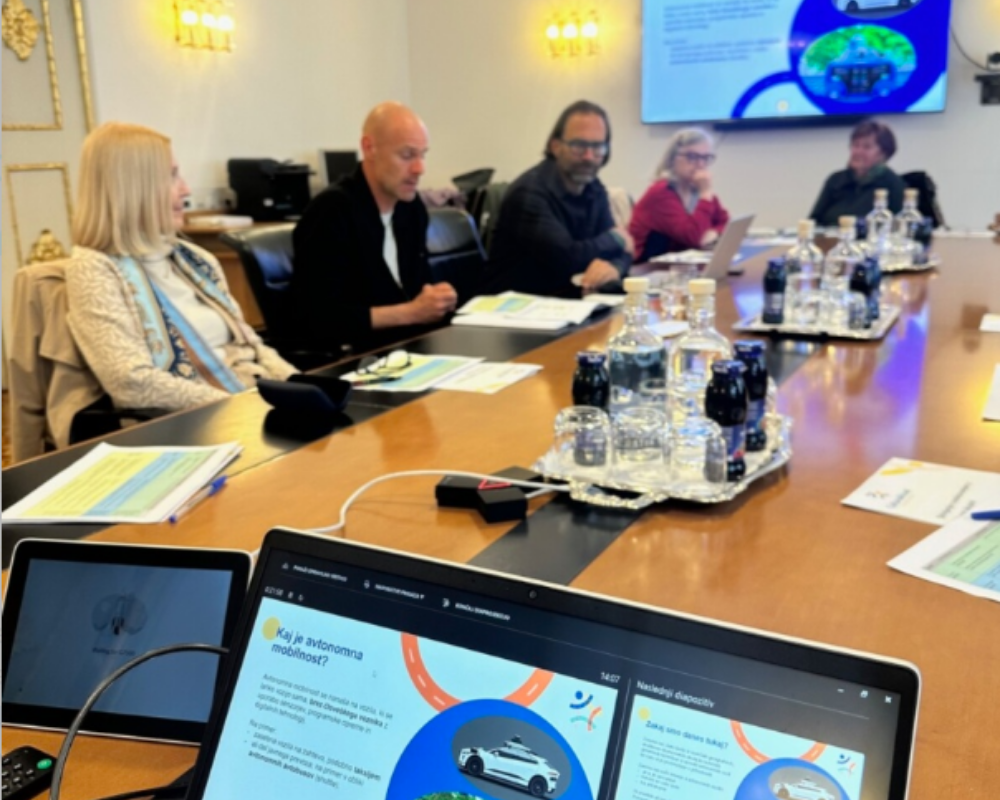
Through focus groups with older people and people with mobility constraints, as well as with young employees and students, we explored how different generations imagine automated mobility becoming part of their everyday lives.
The discussions showed some clear differences, but also important common ground. Older participants saw potential particularly in greater independence and accessibility, especially for people who may find driving more difficult. They were interested in solutions that could complement public transport, while emphasising safety, reliability and ease of use. Younger participants were generally more open to the technology and highlighted flexibility, time efficiency and on-demand services as potential benefits.
Despite these differences, both groups saw automated mobility as something that should not be introduced in isolation. Its value would depend on how well it connects with public transport, shared mobility and other sustainable modes of transport.
At the time, many of these questions were still largely hypothetical.
Today, the context is changing.
In September 2026, Slovenia recognised the temporary EU type-approval of Tesla’s FSD Supervised system, allowing its use in Slovenia under the applicable conditions. Slovenia became the sixth EU Member State to recognise this approval. Importantly, this does not mean that fully autonomous vehicles have arrived on Slovenian roads. FSD Supervised is an advanced driver assistance system, and the driver remains responsible for monitoring the vehicle and taking control when necessary.
Nevertheless, the development makes automated driving a little less distant. Technologies that people previously imagined as part of the future are gradually becoming part of the real mobility environment.
For the Ljubljana Urban Region, this makes the questions raised during the CulturalRoad focus groups even more relevant. The region connects 25 municipalities and is characterised by strong daily travel between them. Any future automated mobility service would therefore need to be considered not only as a vehicle technology, but as part of a wider regional transport system.
Would automated mobility improve access for people who currently have fewer transport options? Could it complement public transport and shared mobility? What would make people trust it? And could it contribute to a more sustainable way of moving around the region?
These are questions that cannot be answered by technology alone.
The CulturalRoad activities in the Ljubljana Urban Region are helping to bring the perspectives of residents and stakeholders into this discussion before automated mobility becomes more widespread. The recent development in Slovenia gives these conversations a new and very concrete context.
When we started the discussion, we were asking people to imagine the future of mobility. Now, some of that future is beginning to arrive on our roads.
The challenge for the Ljubljana Urban Region is to make sure that, as technology moves forward, people’s needs remain part of the conversation.