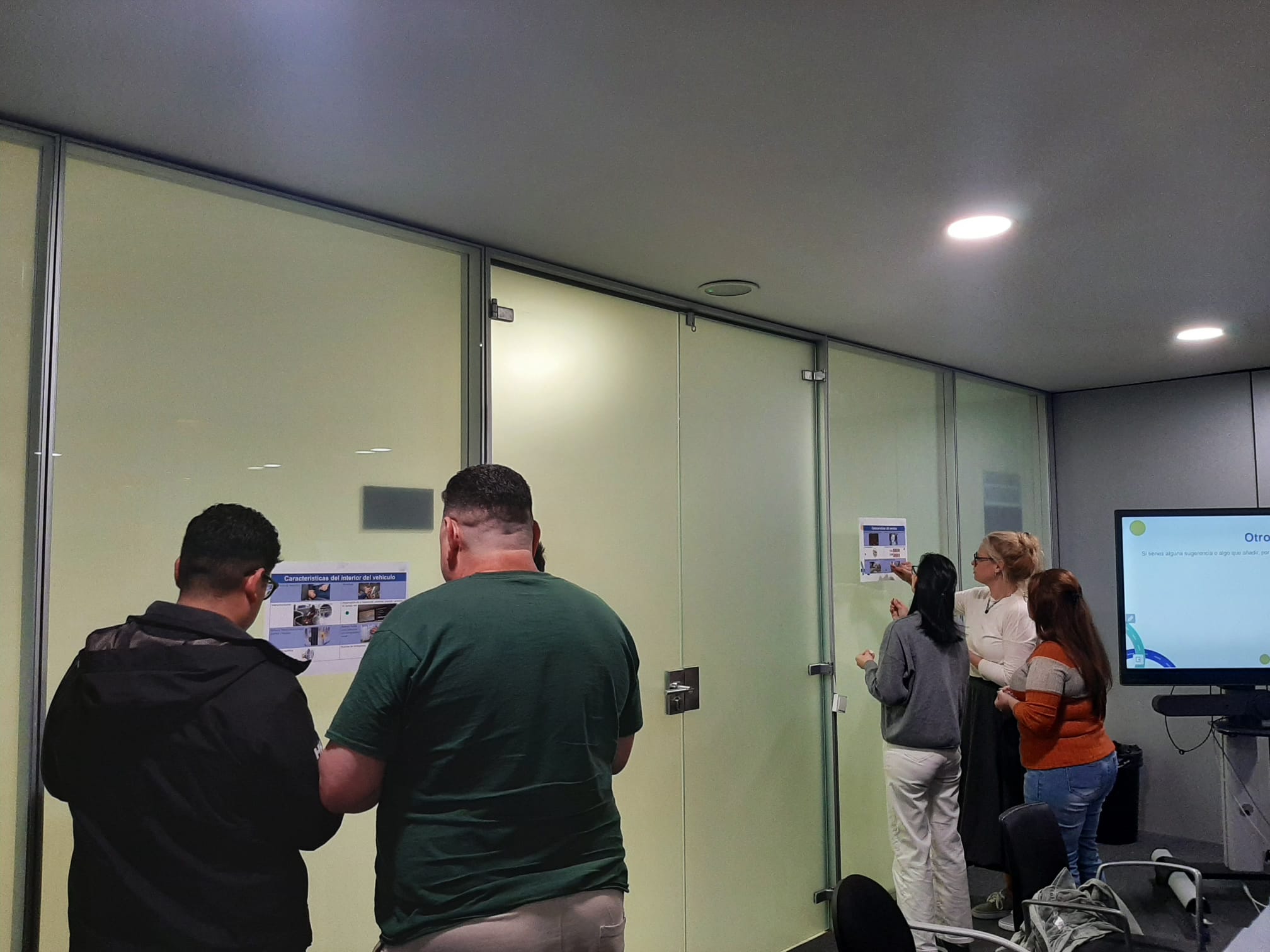
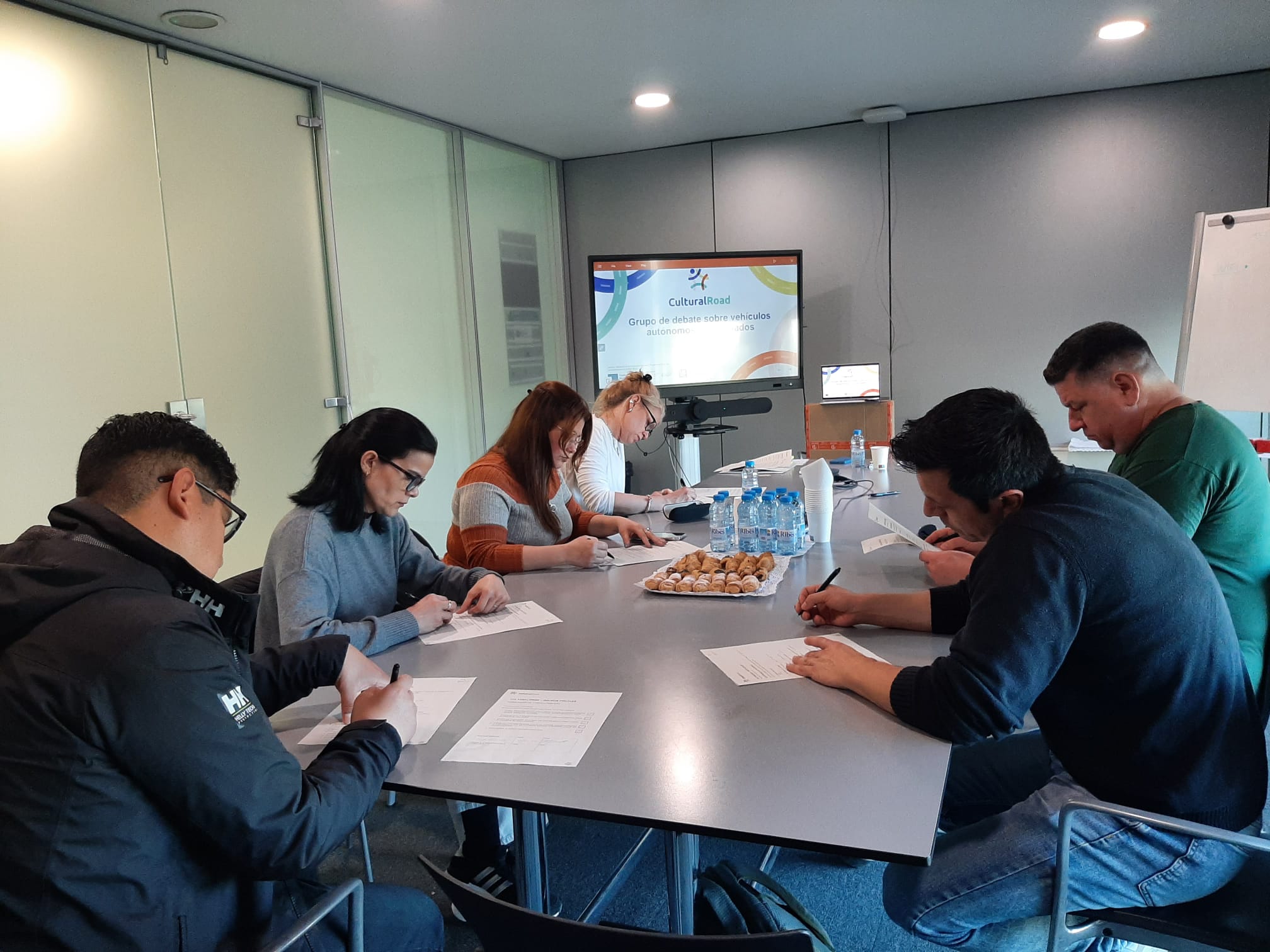
As part of the CulturalRoad co-creation framework, the Barcelona demonstration site organised several Focus Groups with citizens to understand how they perceive the social acceptance of Connected, Cooperative and Automated Mobility (CCAM) services and which factors influence their trust, interest, and willingness to use them. The Focus Group session with migrant residents was particularly relevant for identifying barriers and opportunities related to inclusivity, communication, and service design, as cultural background, previous transport experiences, and familiarity with local mobility systems can shape expectations and perceptions.
One of the first aspects to explore was participants’ prior knowledge of autonomous mobility. Some participants may already have experience with autonomous technologies or expect them to be deployed more quickly than other groups, while others may be unfamiliar with the terminology and require a clear explanation of the service. The focus group investigated what participants understand by autonomous mobility, how they imagine such services operating, and whether they consider them realistic, trustworthy, and useful in their local context. Participants’ previous experiences with public transport in their countries of origin were also discussed, as these experiences may influence their expectations of mobility services in Barcelona.
Safety, security, and interaction emerged as decisive topics. Participants expressed concerns not only about the technical reliability of autonomous systems, but also about interactions with the vehicle, the app, the boarding process, and the service staff. The discussion therefore explored whether language barriers, unfamiliar procedures, or cultural differences could affect their confidence in using autonomous mobility. It also considered whether certain groups, including women, may experience different levels of perceived security depending on the service design, the surrounding environment, or the type of journey, compared with the general population for whom these services are typically designed.
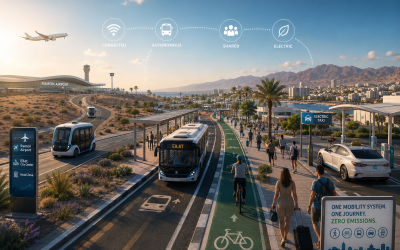
The focus group also addressed use cases and travel needs. Participants valued autonomous mobility for daily trips, connections to public transport, and access to specific destinations such as hospitals, residential areas with steep slopes, or places that are difficult to reach using conventional transport. In general, shared and public transport-oriented services were perceived as potentially safer and more affordable than private-use applications. This discussion helped identify whether migrant residents perceive CCAM as a service for everyone or as something more suitable for specific users, trip purposes, or mobility conditions.
Another important topic was service design. Participants were asked what information they would need before and during a journey, including route details, stops, waiting times, and connections. The discussion also covered accessibility, affordability, transparency, and the need for multilingual and user-friendly interfaces. A remote human operator was considered potentially important for this group, as human support could increase trust and help overcome communication barriers. At the same time, the activity explored the role of apps, cameras, sensors, and other technological features in making autonomous services more understandable, accessible, and inclusive.
Finally, the discussion addressed the perceived benefits of CCAM. Participants identified potential benefits including time savings, improved accessibility, reduced congestion, and greater inclusion, provided that the systems are appropriately designed and implemented. They also expressed openness to trying autonomous buses and other fixed-route services once the technology has been sufficiently tested and its operation clearly explained. Their feedback provides valuable insights for designing CCAM services that are culturally sensitive, accessible, and socially acceptable.