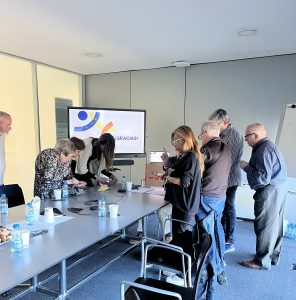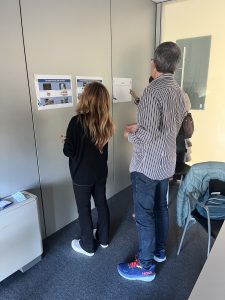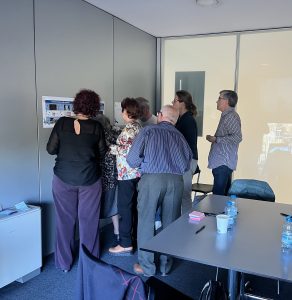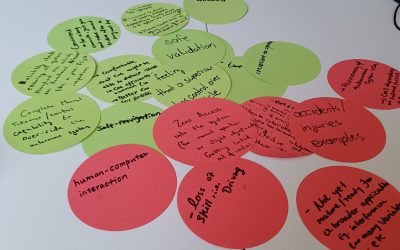
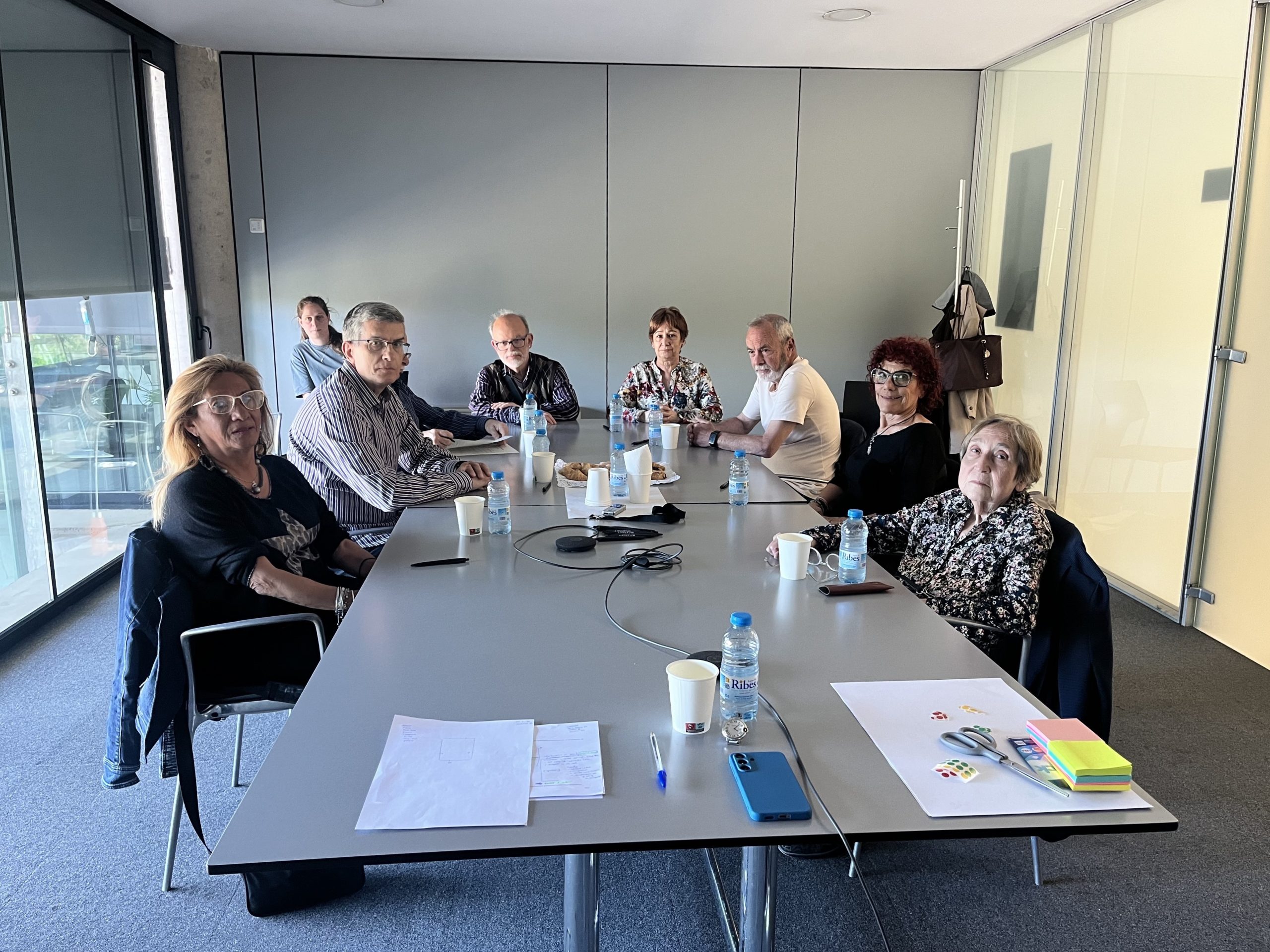
As part of the Barcelona demonstration site, CulturalRoad organised a series of Focus Groups to explore how different user perceive the acceptance of Connected, Cooperative and Automated Mobility (CCAM) solutions through the lens of the project’s Five-Pointed Star Rating System (FPSR). One of these sessions brought together older adults to better understand the conditions under which they would feel comfortable using autonomous mobility services, with particular attention to safety, control, accessibility, trust, and everyday usability.
The discussions showed that participants were generally familiar with the idea of autonomous mobility, although their level of knowledge varied. Previous experience with Barcelona’s automated metro lines helped some participants relate to the concept, while others required a clearer explanation of how autonomous vehicles operate. A common theme was the need for transparent information about how the vehicles function, how routes are managed, and what happens in the event of an incident. Participants highlighted that understanding the technology is an essential first step towards building trust.
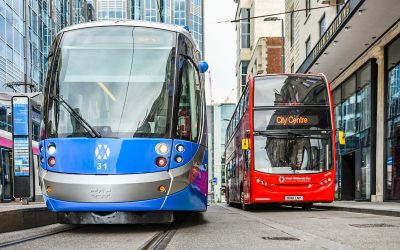
Safety emerged as the main factor influencing acceptance. Participants expressed interest in autonomous mobility but emphasised that its deployment should be gradual and supported by extensive testing. Features such as controlled driving speed, smooth vehicle movements, visible safety features, emergency buttons, and the possibility of contacting a remote human operator were considered essential for building confidence. Most participants also indicated that they would feel more comfortable with autonomous buses or minibuses operating on fixed routes before expanding to more flexible services, such as robotaxis.
Accessibility and comfort were also identified as key requirements. Easy boarding and alighting, sufficient space, comfortable seating, good temperature, clear route information, and inclusive design for people with reduced mobility were considered fundamental. While participants were generally open to using digital tools such as mobile applications, they stressed that these should remain intuitive and complemented by alternative forms of assistance to avoid excluding users with lower digital confidence.
Despite expressing understandable caution, participants were generally willing to try autonomous mobility once the technology has been thoroughly tested and demonstrated to be safe and reliable. They recognised potential benefits, including improved access to healthcare and essential services, safer travel, fewer accidents, and greater transport accessibility. Overall, the discussions highlighted that older adults are not resistant to innovation; rather, they expect autonomous mobility services to be introduced in a transparent, inclusive and trustworthy way that responds to their everyday mobility needs.