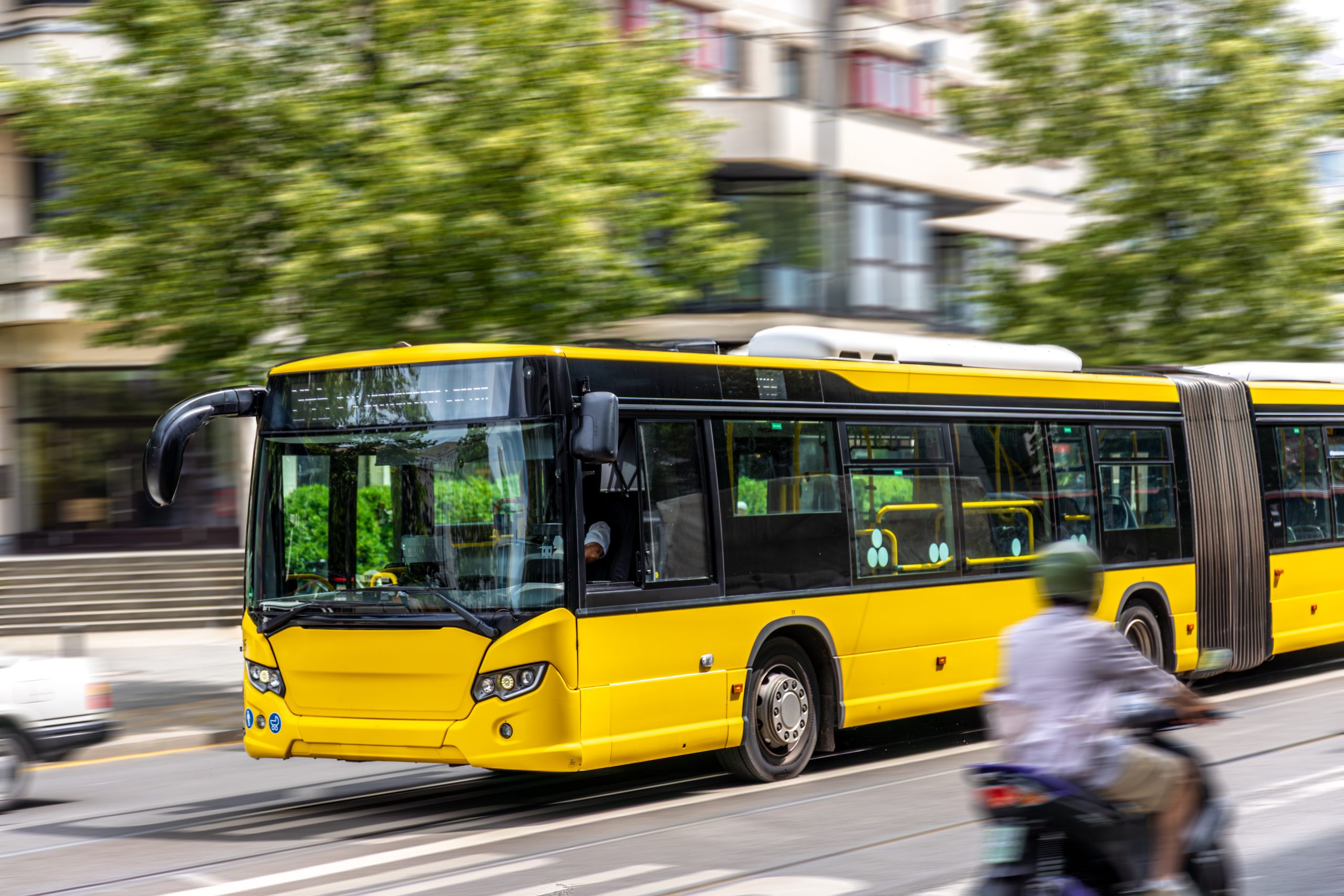
Eilat’s public transport is changing fast. All of the city’s urban buses now run on electricity, and a pilot of electric intercity buses is starting, a real test for battery technology on long desert routes. A new central bus station has also opened. It has 10 accessible platforms and is expected to serve around two million passengers a year, as part of the city’s vision of a green and smart Eilat.
The next big question is driverless transport. In Eilat, we believe that the question is first about people, not technology. As part of the CulturalRoad project, we are asking residents and visitors what they would need before autonomous vehicles become part of daily life in the city.
Eilat is an interesting place to ask. It is a tourist city where thousands of visitors share the streets with residents every day, and many of them arrive from Ramon Airport, about 20 km north of the city. In the future, a flexible driverless service could connect the airport, hotels, neighbourhoods and attractions in ways a fixed bus line cannot.
The conversations so far have been clear. People want to feel safe in a vehicle with no driver. The service has to be easy to use for everyone, including older residents and people who don’t use apps much. It also has to fit in with the buses, taxis, bikes and walking routes the city already has.
Many people also mentioned that the rules are holding things back more than the technology. Driverless vehicles are ready sooner than the regulations that would let them run on the roads. Clear and up-to-date regulation could help cities test new services sooner and avoid unnecessary infrastructure costs.
To hear more voices, we have launched a short public survey. If you live in, work in or visit Eilat, we invite you to take a few minutes to share your view (in Hebrew) here.
The results will feed into local knowledge-transfer workshops in early 2027, which Eilat is leading for the project’s demonstration sites. The learnings from the workshops will be shared with the other CulturalRoad demonstration sites across Europe, so that the next steps in mobility are shaped by the people who will actually use it.