As part of the CulturalRoad project, Oxfordshire County Council (OCC) is exploring how Connected, Cooperative and Automated Mobility (CCAM) could support more equitable, inclusive and sustainable transport futures, particularly for communities that are currently less well served by existing transport systems.
Why Oxfordshire?
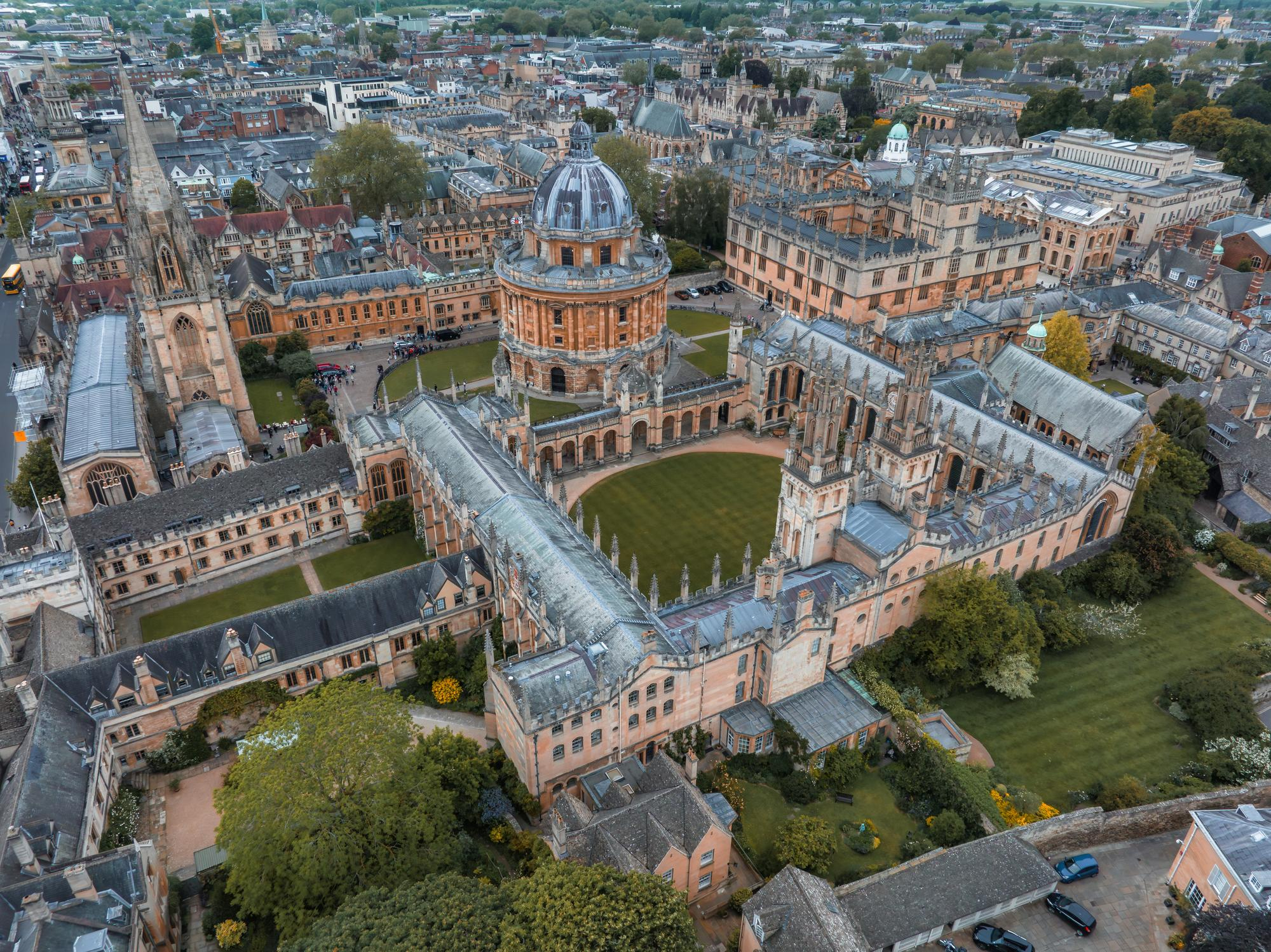
Oxfordshire brings together a historic city, rapidly growing science and innovation clusters, and extensive rural areas where access to transport remains a significant challenge. While the county is at the forefront of mobility innovation, with autonomous vehicle trials, advanced research institutions and real‑world testbeds, many residents still rely heavily on private cars, especially outside the main urban centres.
Oxfordshire has hosted a number of Connected and Automated Mobility (CAM) trials, such as DRIVEN, ENDEAVOUR, MultiCAV, and OmniCAV, providing valuable experience and insight to inform current discussions on future mobility.
Building on this experience, within CulturalRoad, Oxfordshire’s focus is on understanding real mobility needs rather than promoting technology for its own sake. The aim is to ensure that future automated mobility solutions are shaped by people, places and policy priorities.
A co‑creation approach
CulturalRoad uses a two‑step participatory co‑creation framework that brings together public authorities, experts and communities.
In Oxfordshire, OCC led the first step through a series of internal stakeholder workshops. These sessions brought together colleagues from transport planning, service delivery, place shaping, innovation and policy teams to explore:
- Current mobility challenges across urban and rural Oxfordshire
- Opportunities for CCAM to complement public transport rather than replace it
- Barriers related to accessibility, affordability, governance and public trust
- Infrastructure and policy considerations for future deployment
The workshops were delivered online to maximise participation and were supported by follow‑up surveys, helping to capture a broad range of perspectives.
Key insights from Oxfordshire
Discussions highlighted that CCAM in Oxfordshire is seen primarily as a system and policy challenge, rather than a purely technological one. Stakeholders emphasised that:
- Automated mobility should strengthen public transport and shared services, not undermine them
- Equity and accessibility must be core design principles, particularly for older people, people with disabilities (physical, cognitive or mental health‑related access needs), neurodivergent residents and rural communities
- Clear governance, safety assurance and demonstrable public value are essential for building trust
- Use cases need to be specific and locally relevant, rather than driven by generic technology narratives
There was cautious optimism about the potential of CCAM to improve first‑ and last‑mile connectivity and reduce car dependency, with a clear recognition of the risks associated with poorly coordinated or overly market-led deployment.

What’s next
Insights from Oxfordshire’s stakeholder workshops will feed into the next stage of the CulturalRoad process: end‑user focus groups. At this stage, the work is planned to focus on engaging teachers and parents from SEND schools in Oxfordshire, who will be invited to share their lived experiences, expectations and concerns around future mobility.
Together, these findings will inform local transport planning and delivery, contribute to national discussions on CCAM policy and standards, and support CulturalRoad’s wider work on equitable and inclusive mobility across Europe.
By placing co‑creation at the heart of innovation, Oxfordshire is helping to ensure that future mobility solutions are not only smart, but also fair, trusted and grounded in real community needs.